The 4 Types of Childhood Trauma: What They Are and How to Heal
Published on November 11, 2025.
Trigger warning: This blog contains descriptions of types of trauma, abuse and neglect.
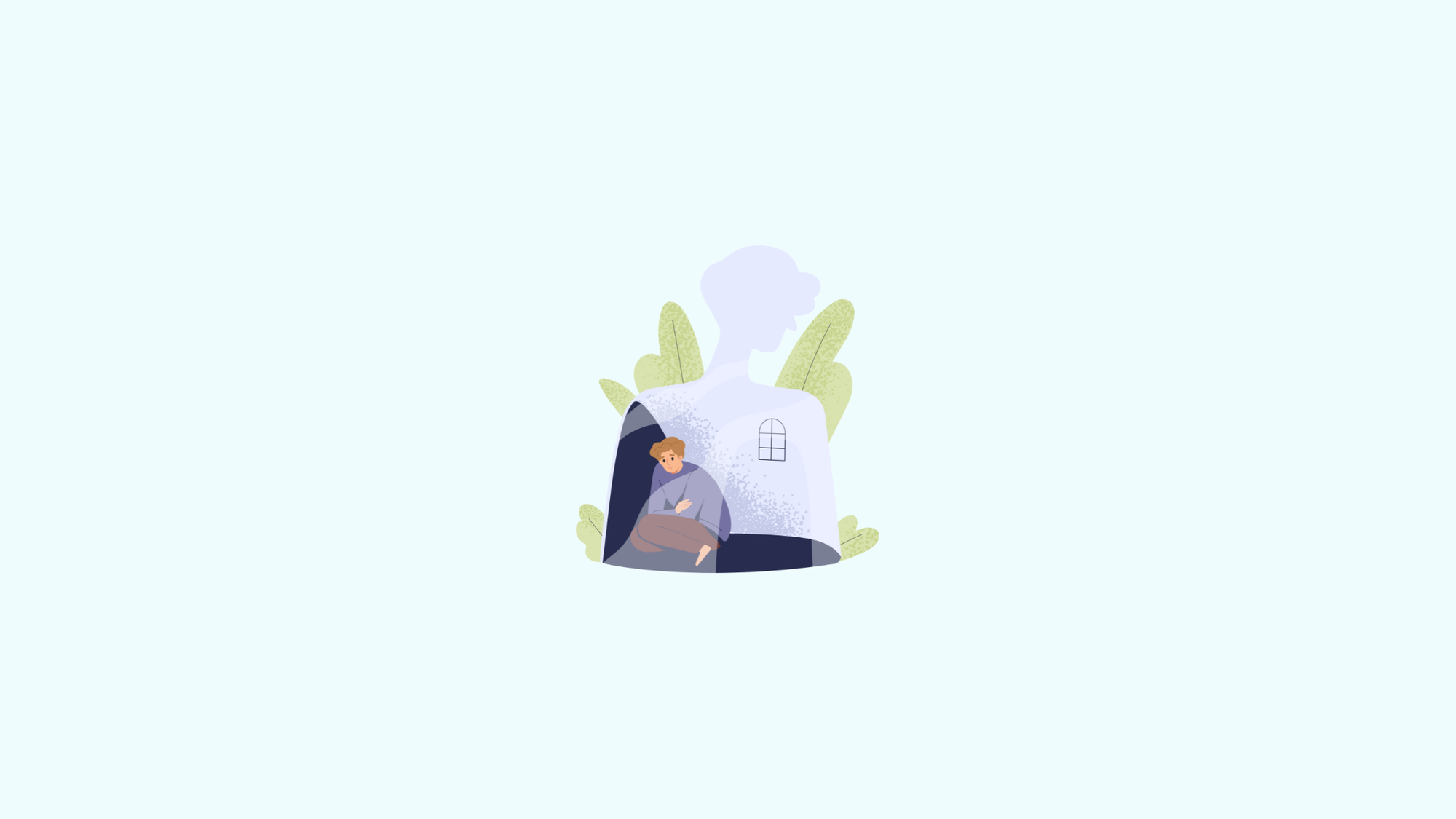
Early experiences shape how we see ourselves, others, and the world. Childhood trauma often lingers long after it’s over, shaping how we feel, think, and connect in adulthood.
If you’re wondering what childhood trauma is, how it affects you today, or how to begin healing, you’re not alone. Many people carry emotional wounds from childhood without even realizing it.
In this guide, you’ll learn:
- What childhood trauma really means
- The four main types of trauma children experience
- How these early experiences affect adulthood
- What it means if you don’t remember much of your childhood
- Practical, research-backed ways to heal and move forward
Let’s start with the basics.

What Is Childhood Trauma?
When a child is exposed to overwhelming or harmful experiences without enough support or safety, the nervous system goes into survival mode. This can leave a deep imprint, affecting emotional and physical development, which is referred to as childhood trauma.
Childhood trauma isn’t just about what happened. It’s about how it felt when it happened.
Some children experience what’s called acute trauma, which might come from a single frightening event like a car accident or natural disaster. Others face chronic trauma, like growing up in a consistently unsafe environment. Then there’s complex trauma, which involves multiple painful experiences over time, often involving people the child depends on for care.
What counts as trauma varies from person to person. Something that seems small to an adult, like frequent yelling or being ignored, can have a big impact if the child feels unsafe, unseen, or unsupported.
Takeaway: Trauma is less about the event itself and more about how the child’s mind and body interpret it. Even subtle or repeated experiences can have lasting effects.

What Are the 4 Types of Childhood Trauma?
Most childhood trauma falls into four main categories. These experiences, especially if unacknowledged or untreated, can shape a person’s inner world well into adulthood.
1. Physical Abuse
This includes any intentional act that causes physical pain or injury. It’s often rationalized as “discipline,” but it involves harm.
Examples include:
- Hitting or slapping
- Pushing or shaking
- Using objects to inflict pain
Children who experience physical abuse often grow up feeling unsafe, on edge, or afraid of making mistakes. They may struggle with fear-based behaviors or develop a constant sense of vigilance.
2. Emotional Abuse
Emotional abuse is harder to spot but can be just as damaging. It involves words or actions that chip away at a child’s self-worth.
This can include:
- Name-calling or shaming
- Constant criticism
- Ignoring or emotionally withdrawing
- Manipulation or gaslighting
The scars of emotional abuse are often invisible, but they run deep. Adults who went through this may carry shame, self-doubt, or a harsh inner critic that’s hard to silence.
3. Sexual Abuse
Sexual abuse involves any unwanted or exploitative sexual contact or exposure involving a child. It might be physical or non-contact.
This may include:
- Inappropriate touching
- Coercion to perform or witness sexual acts
- Exposure to pornography
The effects often include feelings of shame, confusion, dissociation, and difficulty forming healthy intimate relationships later in life.
4. Neglect
Neglect happens when a child’s basic needs aren’t met. This includes both physical and emotional neglect.
Examples:
- Not having enough food or medical care
- Lack of affection or attention
- Being left alone for long periods
- Emotional unavailability from caregivers
Neglect can leave a child feeling invisible or unworthy of love. As adults, they may struggle to identify their own needs or feel uncomfortable asking for help.
Takeaway: The four types of childhood trauma: physical abuse, emotional abuse, sexual abuse, and neglect, can all lead to lasting effects. Even if the trauma is no longer happening, its impact can persist.
Other Forms of Childhood Trauma You Should Know
Not all trauma is caused by direct abuse. Sometimes, the environment itself creates chronic emotional stress for children.
Common examples include:
- Living with a parent who struggles with addiction or mental illness
- Witnessing domestic violence
- Going through a high-conflict divorce
- Experiencing poverty, eviction, or homelessness
- Having an incarcerated parent
These experiences often fall under the ACEs (Adverse Childhood Experiences) model, which researchers use to link early adversity to long-term health and mental health issues.
Even if no one laid a hand on the child, growing up in chaos, unpredictability, or emotional neglect can have the same neurological and emotional effects.
Takeaway: Trauma doesn’t always come from what happened. Sometimes it comes from what was missing, like safety, support, or consistency.
How Does Childhood Trauma Affect Adulthood?
You may not remember every detail of your childhood, but your nervous system does.
Early trauma can change how the brain develops. It may increase activity in the amygdala (fear center), shrink the hippocampus (memory processing), and impair the prefrontal cortex (reasoning and impulse control).
These changes often show up later as:
- Anxiety, depression, or chronic stress
- Difficulty regulating emotions
- Low self-worth or internalized shame
- Relationship struggles, such as fear of abandonment or conflict avoidance
- Trust issues or emotional withdrawal
Some adults become people-pleasers. Others become hyper-independent. Both are coping mechanisms rooted in early survival strategies.
Takeaway: Childhood trauma can leave a blueprint for how you manage emotions, relationships, and stress in adulthood. Recognizing this pattern is the first step toward healing it.
Is Not Remembering Your Childhood a Sign of Trauma?
While it’s common to forget some early memories, significant gaps might signal dissociation or memory suppression, both of which are common responses to trauma.
If you can’t remember large chunks of your childhood, especially ages 5 and up, it could be more than just normal forgetfulness.
Here’s how it works:
- Dissociation helps a child mentally “check out” during overwhelming situations
- Repression is the brain’s way of tucking away distressing memories to protect itself
- Fragmented memory might leave someone remembering events in bits and pieces, or feeling like it happened to someone else
This isn’t about pretending to forget. It’s the brain’s way of surviving what felt unbearable.
Takeaway: If your early years feel blank or emotionally distant, it may be worth exploring those gaps with a trauma-informed therapist.

How to Heal from Childhood Trauma
Healing from childhood trauma isn’t about fixing what’s broken. It’s about reconnecting with the parts of yourself that were left behind.
Here’s a practical roadmap to help guide your healing process.
1. Start with Safety
Before any deep healing can happen, you need to feel safe. That might mean creating distance from toxic people, setting strong boundaries, or developing calming routines.
Safety also includes emotional safety, spaces where you feel seen and heard without judgment.
2. Find Trauma-Informed Therapy
Not all therapy is created equal. Look for therapists trained in trauma modalities, such as:
- EMDR (Eye Movement Desensitization and Reprocessing)
- Somatic Experiencing
- IFS (Internal Family Systems)
- CBT tailored for trauma
These methods help your brain and body process trauma in a way that feels manageable.
3. Reconnect with Your Body
Trauma often lives in the body. Healing involves slowly reconnecting with physical sensations in a safe, grounded way.
Consider:
- Gentle yoga or tai chi
- Grounding exercises like walking barefoot or holding cold objects
- Breathwork or body scans
These tools help you feel more present and anchored.
4. Practice Mindfulness and Self-Compassion
Pay attention to how you talk to yourself. Trauma often teaches us to be harsh, critical, or fearful of our own emotions.
Start by noticing your inner voice. Gently challenge negative self-talk. You can journal, meditate, or simply sit quietly and observe what’s happening inside.
5. Build Supportive Relationships
Healing happens in connection. The right people can help you feel safe, supported, and accepted.
That might include:
- Close friendships
- Support groups
- Online communities
- Chosen family or spiritual connections
Co-regulation, or calming your nervous system through safe relationships, can be one of the most powerful forms of healing.
Takeaway: There is no quick fix for trauma. But with safety, support, and the right tools, it’s absolutely possible to heal and live a more grounded, connected life.
What the Healing Journey Really Looks Like
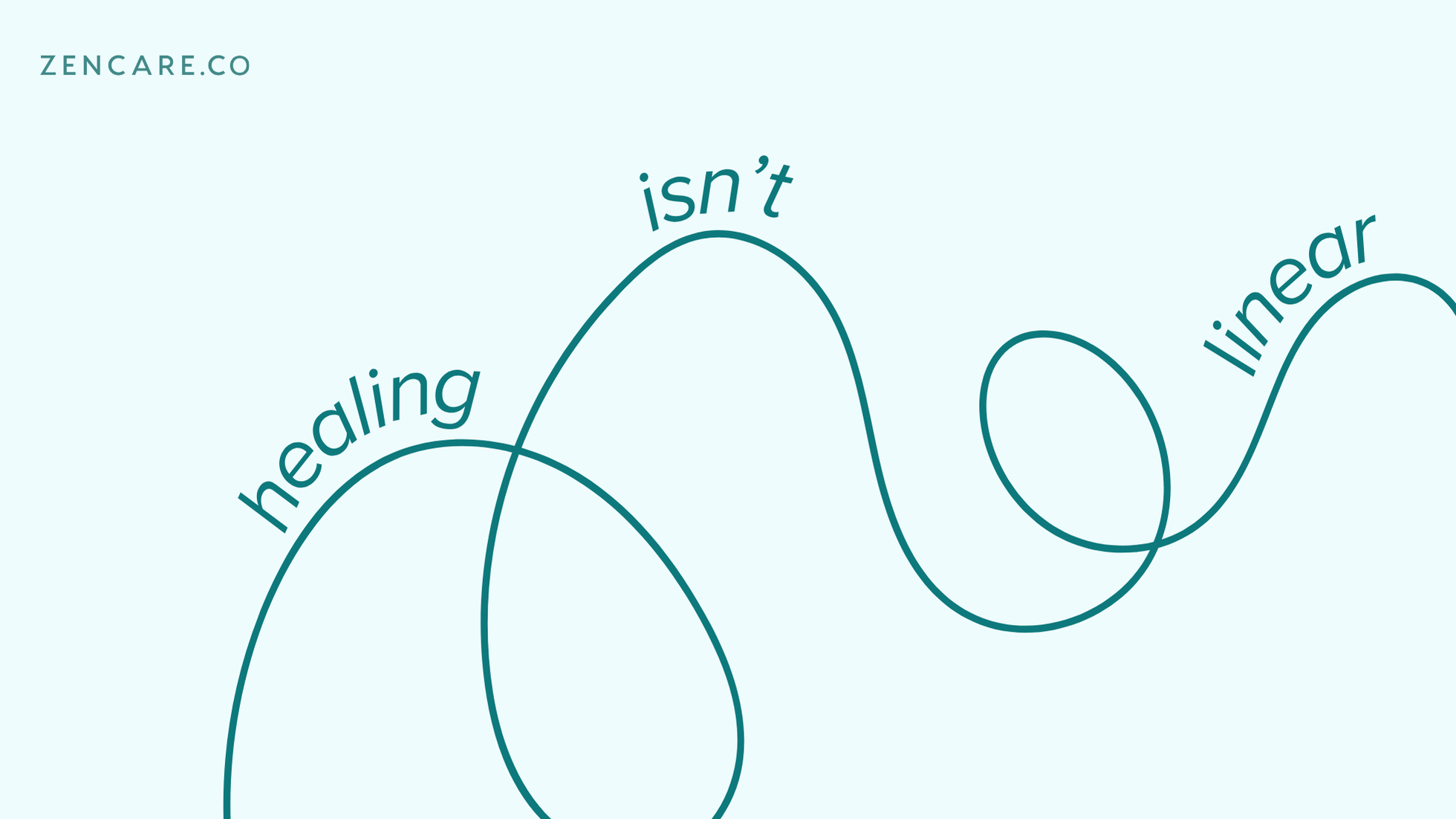
Healing isn’t linear. Some days you’ll feel like you’re making big strides. Other days you might feel stuck or triggered.
That’s normal.
You may have to revisit painful emotions more than once. But each time, you do it with more strength, insight, and self-compassion.
Over time, you might begin to notice:
- Feeling safer in your body
- Greater emotional balance
- Healthier boundaries
- More satisfying relationships
- A deeper connection to yourself
Takeaway: You don’t have to erase the past to move forward. Healing is about reclaiming your story, not rewriting it.
You Are Not Alone. And You Are Not Broken.
Childhood trauma is real, and its effects are profound. But it does not have to define the rest of your life.
By understanding the four types of childhood trauma, recognizing how they show up in adulthood, and taking steps toward healing, you begin to reclaim your power.
You are not too damaged. You are not too late. You are healing.
FAQ: Common Questions About Childhood Trauma
Can you heal from childhood trauma on your own?
You can make progress through self-help, mindfulness, and community support, but deep healing often benefits from professional guidance. A trauma-informed therapist can help you process painful memories safely.
What are signs of repressed childhood trauma?
Some signs include memory gaps, nightmares, emotional numbness, trouble with trust, or intense reactions to seemingly minor stress.
What if my childhood wasn’t “that bad”?
Trauma is about how something affected you, not just what happened. Many people downplay their experiences because they didn’t involve obvious abuse.
Is therapy the only way to heal?
Therapy is often the most effective route, but healing can also happen through somatic work, support groups, journaling, or spiritual practices. The key is finding what helps you feel safe and supported.
How long does healing take?
There’s no set timeline. Some people begin to feel relief within months, while for others it’s a longer journey. The important thing is to stay committed and gentle with yourself.