How to do exposure therapy for agoraphobia
Published May 15, 2026.
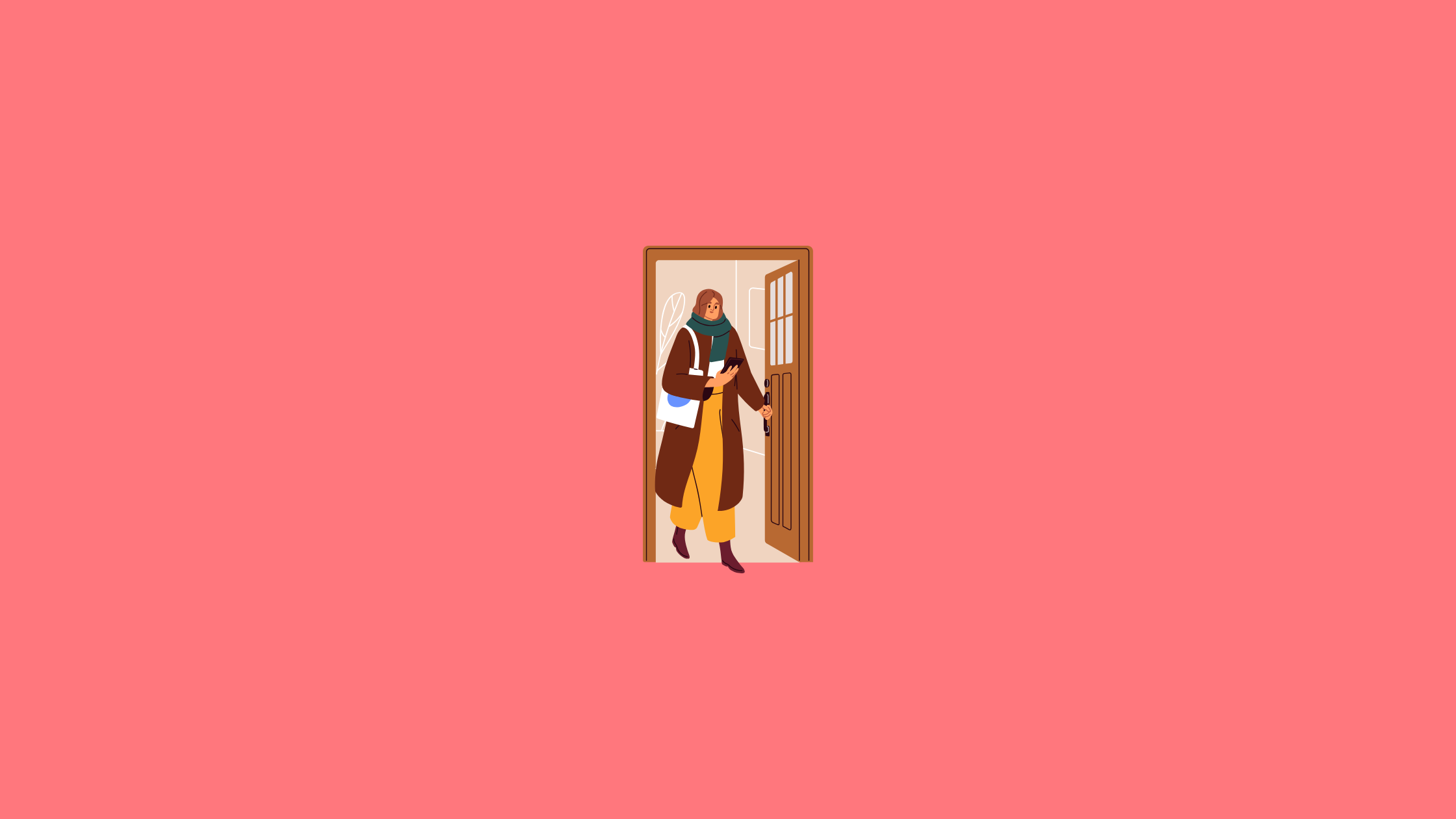
Agoraphobia can make everyday places feel unsafe, even when part of you wants to go. Grocery stores, public transportation, crowds, appointments, or being far from home may bring up intense fear, panic, or the urge to escape.
It makes sense that many people search for how to overcome agoraphobia fast. When anxiety is limiting your independence, you want relief now. But lasting progress usually comes from small, repeated steps, not forcing yourself into overwhelming situations. Exposure therapy for agoraphobia is one approach that can help you gradually reduce fear and rebuild confidence.
What is exposure therapy for agoraphobia?
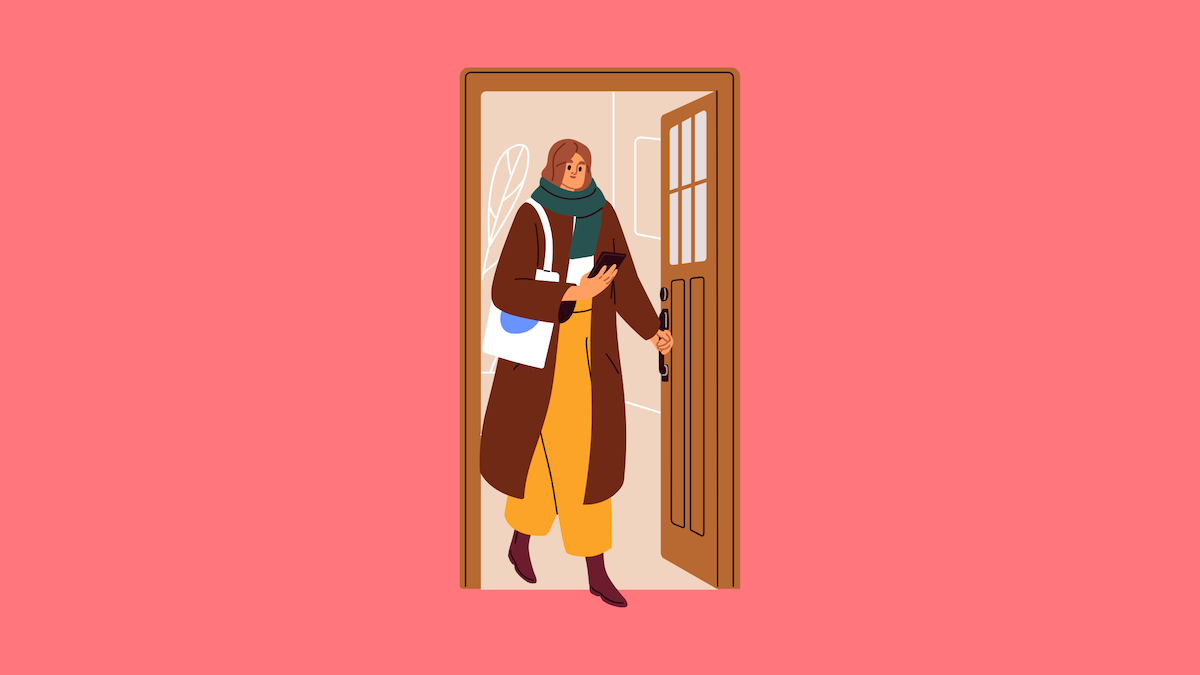
Exposure therapy for agoraphobia is a gradual process of facing feared places or situations instead of avoiding them. The goal is not to force panic or “tough it out.” It is to help your brain learn that uncomfortable situations can be manageable.
Avoidance often brings short-term relief. If you skip the store, leave an appointment early, or stay close to home, anxiety may drop quickly. But over time, avoidance can teach the brain that those situations are dangerous, which can make fear stronger. Exposure helps break that cycle through planned, repeated practice.
Building your fear ladder for agoraphobia
A fear ladder ranks feared situations from least to most challenging. Start by listing situations you avoid, then rate each one from 0 to 10 based on how anxious it feels.
Keep each step specific, realistic, and repeatable. For example:
| Fear level | Exposure step |
|---|---|
| 2/10 | Stand outside for 2 minutes |
| 3/10 | Walk to the mailbox |
| 4/10 | Walk around the block |
| 5/10 | Visit a quiet store for 5 minutes |
| 7/10 | Go to a busier store with support |
| 9/10 | Take public transportation or enter a crowded place |
A good fear ladder should feel challenging, but not impossible. Starting too high can make exposure feel defeating instead of empowering.
The gradual exposure process for agoraphobia
Exposure works best when it is planned, gradual, and repeated. Choose one manageable step from your fear ladder, practice it more than once, and move up only when it feels more doable.
A simple process:
- Choose one manageable exposure.
- Rate your anxiety before starting.
- Stay long enough to learn from it.
- Rate your anxiety afterward.
- Repeat before moving up.
Progress does not mean feeling calm right away. It means learning that anxiety can rise, peak, and fall without you needing to escape. This gradual approach is often safer than trying to learn how to overcome agoraphobia fast through sudden, intense exposure.
Coping skills toolkit for exposure exercises
Coping skills can help you stay grounded while you practice. Try slow belly breathing, five-senses grounding, or gently relaxing your shoulders and jaw. You might also repeat a phrase like, “This is anxiety, not danger.”
These tools are not meant to erase anxiety instantly. They are there to help you stay present long enough to learn that you can handle the moment. Try not to turn coping skills into safety rituals you feel unable to practice without.
Imaginal to in-vivo exposure for agoraphobia
Imaginal exposure means vividly imagining a feared situation, like entering a store, standing in a crowd, or sitting on a bus. This can be a helpful first step when real-world exposure feels too difficult.
In-vivo exposure means practicing in real-life situations. If you’re wondering how to overcome agoraphobia on your own, imaginal exposure may help you begin, but visualization works best as a bridge toward real-world practice. If avoidance is severe, panic feels unmanageable, or you feel stuck, professional support is recommended.
Tracking progress for agoraphobia exposure
When progress feels slow, tracking can help you see what is changing. After each exposure, write down what you practiced, your anxiety before and after, what you predicted would happen, what actually happened, and what you learned.
Small wins matter. Staying a little longer, repeating a step, walking a little farther, or trying something new are all signs of progress. Confidence is often built through repetition, not one big breakthrough.
Beyond exposure: rebuilding confidence
Exposure therapy can be powerful, but it may work best alongside other support, such as Cognitive Behavioral Therapy (CBT), panic-focused therapy, trauma treatment, or medication support when appropriate. A therapist can help you pace exposures, understand panic symptoms, and adjust the plan if things feel overwhelming.
Learning how to overcome agoraphobia is not just about reducing anxiety. It is about rebuilding freedom, confidence, and daily connection. Agoraphobia is treatable, and progress often comes from small, repeated steps that help your brain relearn what is safe and manageable.
You do not have to force yourself through this alone. On Zencare.co, you can search for therapists who specialize in anxiety, panic attacks, phobias, CBT, and exposure therapy, then book a free consultation to find someone who feels like the right fit.
Frequently asked questions
Can I overcome agoraphobia on my own?
Some people make progress with self-guided exposure, especially when symptoms are mild. If avoidance is severe or panic feels unmanageable, working with a therapist is recommended.
Can you overcome agoraphobia fast?
It is understandable to want quick relief, but rushing exposure can backfire. Gradual, repeated practice is usually more effective than forcing yourself into intense situations.
What is the best treatment for agoraphobia?
Exposure therapy is often considered a leading treatment for phobias and avoidance-based anxiety. It may be combined with CBT, coping skills, and professional support.