Perimenopause and Your Mood: What’s Normal and What Helps
Clinically reviewed and contributed to by Dr. Katie O’Dowd, PhD. Published November 4, 2025.
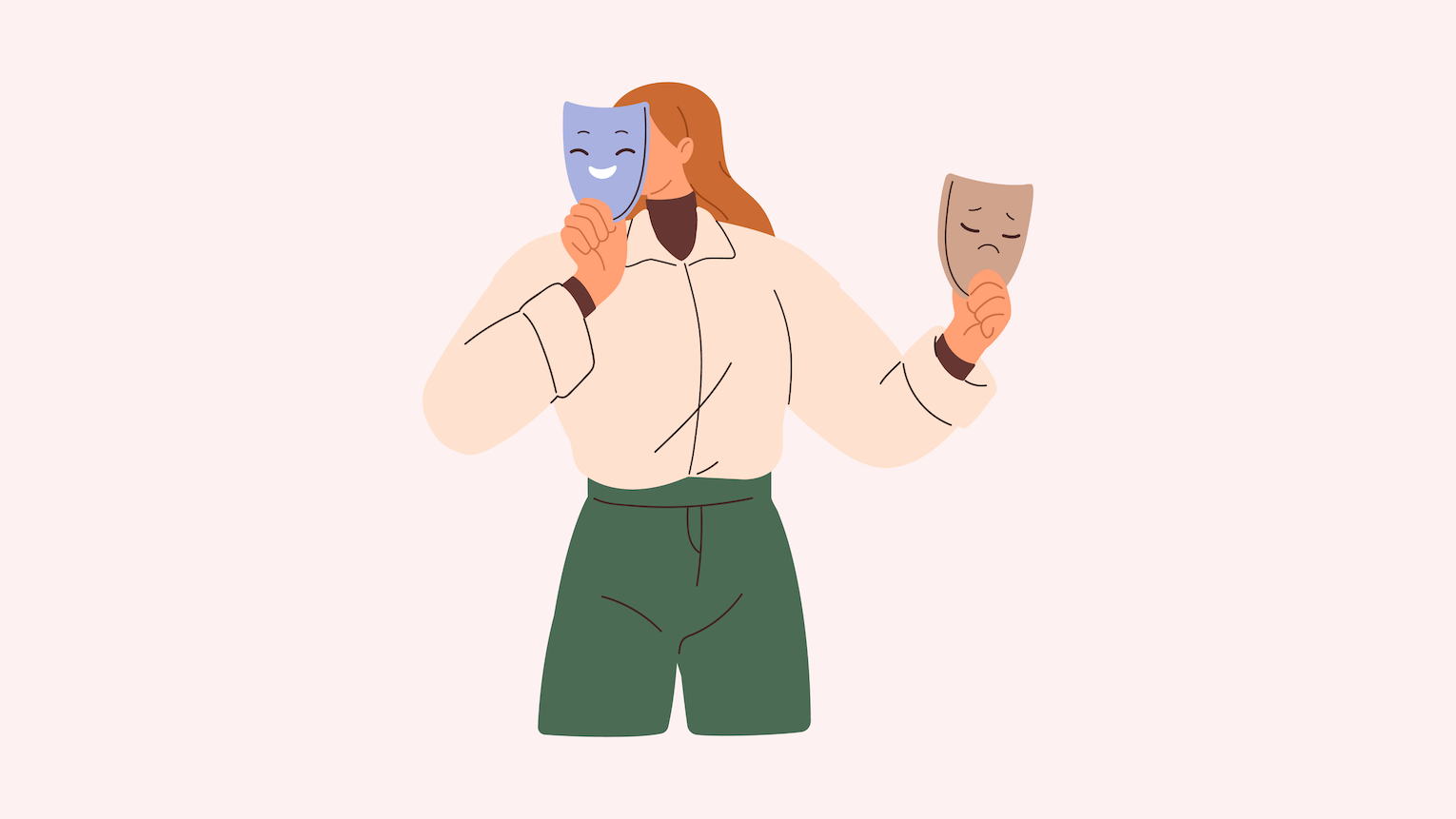
Why do mood changes in perimenopause feel so overwhelming? Mood changes during perimenopause feel overwhelming because they often arrive unexpectedly and are driven by biological hormone shifts that affect emotional regulation. Perimenopause isn’t just about hot flashes or missed periods. For many women, it’s also the start of unexpected emotional shifts like anxiety, mood swings, or even depression. If you’ve felt off lately and can’t quite explain why, you’re not alone.
These emotional changes are incredibly common during this stage of life. They’re not a sign that something is wrong with you, and they’re definitely not all in your head. In fact, they often have a biological cause tied to shifting hormones.
In this guide, we’ll break down:
- What emotional symptoms are typical in perimenopause
- What causes them
- And most importantly, what actually helps
Let’s take the confusion out of this transition so you can start feeling more like yourself again.
What Is Perimenopause and When Does It Start?
Perimenopause is the natural transition phase that happens before menopause. It’s when your hormone levels, especially estrogen and progesterone, begin to fluctuate more significantly. This stage usually begins in your 40s, but for some women, it can start in their late 30s.
Here’s what you need to know:
- It typically lasts between 4 and 8 years
- Menopause officially begins after you’ve gone 12 months without a period
- Perimenopause brings a mix of physical and emotional change
While most people expect hot flashes or night sweats, fewer expect the emotional turbulence. Mood shifts are actually a core part of the experience, especially as your brain responds to changing hormone levels.
Dr. Katie O’Dowd shares that her clients also don’t expect such sudden weight gain, especially around their abdomen, nor the change in fatigue and brain fog. Additionally, some symptoms such as insomnia and headaches are likely associated with perimenopause and are often missed.
Takeaway: If your emotions feel like a rollercoaster lately, it could be perimenopause. This is a normal phase, not something you imagined or caused.
What Are the Most Common Mood Symptoms in Perimenopause?
The most common mood symptoms in perimenopause include anxiety, depression, and irritability. While every person experiences perimenopause differently, certain mood symptoms show up more often than others.
Here are the big three:
- Anxiety: You might feel more on edge than usual, even if nothing major is going on. Panic attacks or a constant feeling of nervousness can also show up.
- Depression: Some women experience low mood, a loss of interest in things they usually enjoy, or unexplained sadness.
- Irritability: You might snap more easily or feel emotionally sensitive in situations that never bothered you before.
These symptoms can come and go without much warning. One week, you feel fine. The next, it’s like someone flipped a switch. This kind of unpredictability is one of the most frustrating parts of perimenopausal mood swings, but working with a therapist can help navigate and weather these mood swings.
“First I validate them as completely normal, and then open up the discussion with curiosity. This often allows me to connect the physiological experiences they are experiencing in the present with past experiences that often get deprioritized or even forgotten. Another thing I help clients do is use Acceptance and Commitment Therapy tools such as labeling the emotions, defusion from their power and mindfulness as a means of acceptance. The less power and truth we give to our emotions, the more free we are to live in the reality of our actual lives,” Dr. Katie O’Dowd explains, sharing how she has helped clients navigate mood swings.
Takeaway: Whether you’re feeling extra anxious, unusually irritable, or just not like yourself, know that these emotional changes are common during perimenopause, and they don’t mean you’re doing anything wrong.
What Causes Mood Swings During Perimenopause?
Perimenopausal mood swings are primarily caused by fluctuating levels of estrogen and progesterone, which disrupt neurotransmitters in the brain. If you’re wondering what’s behind these emotional ups and downs, the answer often starts with hormones.
Estrogen and progesterone, two key reproductive hormones, also influence how your brain works. When these hormone levels start rising and falling unevenly, they affect neurotransmitters like:
- Serotonin, which helps regulate mood and promotes feelings of well-being
- Dopamine, which plays a role in pleasure and motivation
- GABA, which helps calm your nervous system
When estrogen drops, your brain may struggle to keep these neurotransmitters in balance. The result? Increased anxiety, low mood, and difficulty managing stress.
Other factors make things worse:
- Poor sleep from night sweats or insomnia
- Fatigue due to disrupted rest
- Brain fog or memory lapses that can be mentally draining
When your body’s out of rhythm, your emotions often follow.
Takeaway: These mood changes are driven by biology. Knowing there’s a reason behind what you’re feeling can help you respond with more clarity and less self-blame.
What Lifestyle Changes Can Help Improve Mood During Perimenopause?
Lifestyle changes like regular exercise, healthy eating, and improved sleep can help stabilize mood during perimenopause. The good news is that simple, evidence-backed habits can help bring some emotional relief during this time. They may not solve everything overnight, but they can create a more stable foundation for your mental well-being.
Here’s what to try:
1. Move your body regularly
Exercise is one of the most effective ways to support your mood.
- Aim for about 30 minutes of movement most days
- Walking, swimming, or strength training can all help
- Exercise increases endorphins and reduces anxiety symptoms
Dr. Katie O’Dowd stresses the importance of strength training over cardio. Cardio can often raise cortisol levels, which in turn interacts negatively with other hormones.
2. Fuel your brain with the right foods
What you eat can influence how you feel.
- Focus on anti-inflammatory foods like leafy greens, berries, and salmon
- Incorporate omega-3 vitamins into your diet from flaxseeds, walnuts, or fish
- Cut back on processed foods, alcohol, and sugar, which can worsen mood swings
“Protein intake should be prioritized, since it’s related to insulin-sensitivity and controlling glucose levels. It also helps build muscle which helps prevents injury as we get older,” says Dr. Katie O’Dowd.
3. Protect your sleep
Restorative sleep is crucial for mental health.
- Keep a consistent bedtime
- Limit screen time in the hour before bed
- Try calming habits like herbal tea or reading
Dr. Katie O’Dowd recommends swapping out that nightly glass of wine for herbal tea or another calming beverage, and to ask your doctor about magnesium supplements — magnesium is good for your heart and bones, many people find it calming and helpful for better sleep. It’s also helpful for migraines, muscle cramps and painful periods — all things that come about in perimenopause that need treating.
4. Practice mindfulness or breathing techniques
Even five minutes a day can make a difference.
- Deep breathing, meditation, or gentle yoga can regulate your nervous system
- Apps like Calm or Insight Timer are easy tools to get started
These habits are especially useful if you’re experiencing menopause mood swings or feeling emotionally off-kilter.
Takeaway: Lifestyle changes may not cure everything, but they can help regulate your mood and build emotional resilience. Start small and stay consistent.
What Medical Treatments Can Help with Perimenopausal Mood Symptoms?
Medical treatments that may help with perimenopausal mood symptoms include hormone therapy, antidepressants, and cognitive behavioral therapy (CBT). If lifestyle tweaks aren’t enough, you’re not out of options. In fact, there are several medical and therapeutic approaches that can offer real relief, especially if mood symptoms are severe or disruptive.
Consider the following:
1. Hormone Replacement Therapy (HRT)
This treatment replaces declining estrogen levels and can:
- Stabilize mood swings
- Improve sleep quality
- Reduce other symptoms like hot flashes
It’s often recommended for women under 60 or within 10 years of menopause. But it’s not for everyone, so talk to your doctor about the risks and benefits.
2. Antidepressants or anti-anxiety medications
These are especially helpful if you’re dealing with perimenopause depression or frequent anxiety.
- SSRIs or SNRIs are commonly prescribed
- Some can also ease hot flashes or sleep issues
- They can be used short-term or long-term depending on your needs
3. Cognitive Behavioral Therapy (CBT)
CBT is a type of talk therapy that helps you recognize and shift unhelpful thought patterns.
- It’s particularly effective for anxiety and depression
- Can be used on its own or alongside medication
- May also improve stress management and emotional control
4. Acceptance and Commitment Therapy (ACT)
ACT is rooted in compassion, mindfulness and challenging thoughts while accepting them.
- Focuses on psychological flexibility, or your ability to stay present and aligned with your values even during emotional distress
- Encourages acceptance of uncomfortable feelings instead of fighting them
- Can be especially helpful for managing perimenopause anxiety, chronic stress, and identity shifts that may arise during midlife
Takeaway: If your symptoms are getting in the way of your daily life, it’s absolutely okay to explore medical options. Many women find that a personalized treatment plan makes all the difference.
Why Seeking Support Is Essential and Empowering
Seeking support during perimenopause is essential because professional guidance can validate your experience and provide effective treatment options. Too often, women minimize or ignore emotional symptoms during perimenopause. It’s easy to chalk it up to stress or just try to power through. But support matters, and you deserve it.
Here’s who you might reach out to:
- OB/GYNs or menopause specialists who understand the hormonal landscape
- Mental health professionals like therapists or psychiatrists with experience in midlife issues
- Peer support groups, whether local or online, that offer shared understanding
There are many certifications and specializations that a therapist can receive to treat women’s health issues. Dr. Katie O’Dowd suggests looking for organizations that are widely known, backed by research, and provide resources and communities of practice. The benefit of seeing a therapist with a specialization is that they can understand your experience in a more nuanced, supportive way and offer treatment that is tailored to your unique experience.
Remember, these mood shifts aren’t just emotional. They’re biological. And getting help is not a sign of failure. It’s a proactive step toward feeling better.
Takeaway: Whether you’re talking to a doctor or a friend who’s been through it, seeking support can be the turning point in your journey. You don’t have to go through this alone.
:root {
/* === OWL PRACTICE WARM ROSE PALETTE === */
–brand-primary: #f19b9f; /* soft rose */
–brand-surface: #fdf1f1; /* blush background */
–brand-text: #364560; /* slate blue text */
–brand-white: #ffffff; /* white table body */
–font-sans: “Inter”, “Helvetica Neue”, Arial, sans-serif;
–radius-xl: 16px;
–radius-md: 10px;
–shadow-sm: 0 4px 12px rgba(0, 0, 0, 0.04);
}
.ops-compare {
font-family: var(–font-sans);
color: var(–brand-text);
background: var(–brand-surface);
padding: clamp(16px, 3vw, 32px);
border-radius: var(–radius-xl);
border: 2px solid var(–brand-primary);
box-shadow: var(–shadow-sm);
line-height: 1.4;
}
.ops-compare__eyebrow {
display: inline-block;
font-size: 12px;
letter-spacing: 0.08em;
text-transform: uppercase;
color: var(–brand-white);
background: var(–brand-primary);
padding: 6px 12px;
border-radius: 999px;
font-weight: 600;
margin-bottom: 16px; /* Increased space between badge and header */
}
.ops-compare__title {
margin: 4px 0 16px;
font-size: clamp(22px, 3vw, 30px);
line-height: 1.3;
color: var(–brand-text);
text-align: left;
}
.ops-table-wrap {
background: var(–brand-white);
border: 2px solid var(–brand-primary);
border-radius: var(–radius-md);
overflow: hidden;
box-shadow: var(–shadow-sm);
}
table.ops-table {
width: 100%;
border-collapse: collapse;
font-size: 14px;
}
.ops-table thead th {
background: var(–brand-primary);
color: var(–brand-white);
text-align: left;
padding: 12px 14px;
font-weight: 700;
border-bottom: 2px solid var(–brand-surface);
}
.ops-table tbody td {
padding: 12px 14px;
border-bottom: 1px solid var(–brand-surface);
background: var(–brand-white);
vertical-align: top;
}
.ops-table tbody tr:nth-child(even) td {
background: var(–brand-surface);
}
/* Bold treatment names */
.ops-table tbody td:first-child {
font-weight: 700;
}
/* Responsive (mobile-friendly) */
@media (max-width: 820px) {
.ops-table thead { display: none; }
.ops-table, .ops-table tbody, .ops-table tr, .ops-table td {
display: block;
width: 100%;
}
.ops-table tr {
border-bottom: 1px solid var(–brand-primary);
margin-bottom: 16px;
background: var(–brand-white);
border-radius: var(–radius-md);
box-shadow: var(–shadow-sm);
}
.ops-table tbody td {
border: none;
padding: 10px 16px;
position: relative;
}
.ops-table tbody td::before {
content: attr(data-label);
display: block;
font-weight: 700;
color: var(–brand-primary);
margin-bottom: 4px;
}
}
Treatment Options and How They Help
| Treatment | How It Helps | Best For | Notes |
|---|---|---|---|
| HRT | Stabilizes mood, improves sleep, reduces hot flashes | Women <60 or within 10 years of menopause | Requires doctor consult; not suitable for everyone |
| Antidepressants / Anti-Anxiety Meds | Eases depression, anxiety, sleep issues | Women with severe mood symptoms | Can be short- or long-term; some overlap with hot flash relief |
| CBT | Reframes negative thoughts, improves stress management | Those with anxiety/depression | Effective alone or with medication |
| ACT | Builds acceptance, mindfulness, and flexibility | Those facing identity changes or chronic stress | Focuses on values-driven living and compassion |
From Overwhelmed to Empowered: What You Can Do Today
Navigating perimenopause can feel like walking through a fog. But even small steps can light the path forward.
Here’s how to start taking back control:
- Track your symptoms to identify patterns or triggers
- Start with one lifestyle habit like walking or improving sleep
- Talk to a healthcare provider about treatment options
- Find a community where you feel seen and supported
You might not be able to prevent mood shifts completely, but you can take charge of how you manage them. There’s no shame in needing help, and there’s so much strength in asking for it.
Final takeaway: Mood swings, anxiety, and depression during perimenopause are common and manageable. With the right tools and support, you can move from overwhelmed to empowered.
FAQs About Mood Changes in Perimenopause, Answered by Dr. Katie O’Dowd
What are the first signs of perimenopause mood changes?
Early signs of perimenopause can include anxious distress, brain fog, depressive symptoms and irritability. Physiological symptoms often include fatigue, circulation issues, joint pain and other rather low-level symptoms that fly under the radar and often get dismissed as stress.
How can I tell if it’s perimenopause or something else?
If you’re anywhere from approaching 40 to your mid-to-late-fifties and you experience both physical and cognitive/psychological shifts, there’s a good chance it’s related to menopause. Be sure to collect a family history if possible to determine when your mother, and maternal grandmother experienced menopause and bring this family history to your physician.
Can perimenopause cause panic attacks?
Panic attacks can occur since perimenopause comes with unpredictable and unexpected changes in anxiety levels. The nervous system can take over when it is unaccustomed to the varying hormonal changes, and thus signal that something is wrong.This is often how panic attacks start.
Do antidepressants work for perimenopausal depression?
Both SSRIs and SNRIs, as well as other antidepressants can help with perimenopausal depression. It is important to speak with a psychiatrist or other qualified prescriber to determine which symptoms you want to treat, since different medications target different things.
Is hormone therapy safe for mood symptoms?
Hormone therapy can be a safe approach to treating mood symptoms, especially when a full medical history is taken and a medical professional is qualified to understand and treat specific symptoms. Risks are always important to discuss with your physician as well.
How long do mood swings last during perimenopause?
Mood wings and mood changes can fluctuate during the years of perimenopause. For many women, symptoms ease after menopause, though some may benefit from continued support beyond that phase. When treatment is holistic and considers all symptoms, not just mood, women often see better results.
Can lifestyle changes really help with mood?
Simple changes yield the best results. Daily walking, cutting back on alcohol and sugar, and increasing protein intake yield significant results in women’s health during the perimenopausal years.
When should I seek professional help?
You don’t have to wait until things feel unmanageable to seek help. In fact, therapy is most powerful when used proactively and as a way to stay grounded, gain perspective, and maintain emotional well-being. Many women find that this ongoing support helps them recognize that what they’re experiencing is normal, meaningful, and manageable.