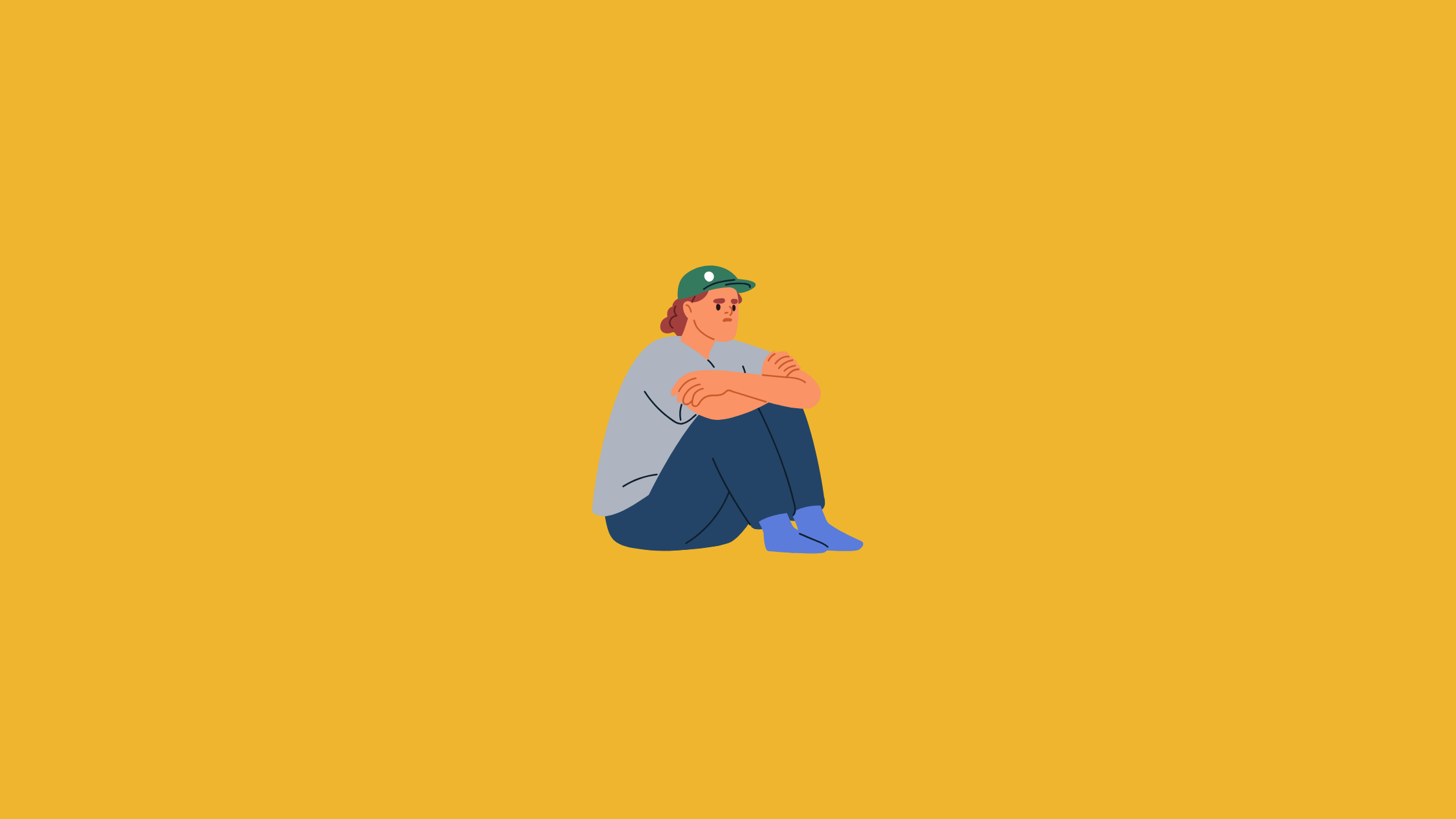
Graduated into uncertainty: gen z navigates post-college unemployment
Published January 15, 2026.

Many recent graduates feel stuck and anxious after graduation, especially when job offers don’t come right away. It’s a jarring transition from academic life to the uncertainty of unemployment.
You’ve spent years working toward this milestone. You walked the stage, flipped your tassel, and heard “congratulations” on repeat. But then reality hits. No job offer. No next step. Just silence, confusion, and a growing sense of pressure.
And it’s not just you. Recent US college graduates face high unemployment rates post-pandemic, which means you’re navigating a rocky job market through no fault of your own. Gen Z has been hit especially hard, and you’re not alone in feeling unprepared for what comes next.

Why are so many recent college grads unemployed right now?
The job market is still recovering from COVID-19. Gen Z college grads’ unemployment rates remain high due to fewer entry-level roles and shifting hiring practices.
Recent grads were disproportionately affected during the pandemic, and the recovery hasn’t been smooth. Many industries slashed junior roles. Others shifted toward remote or freelance work. Networking and internships, which used to be in-person, went virtual or disappeared entirely.
The result is a delayed and disrupted entry into the workforce for an entire generation.
How does post-graduation unemployment affect mental health?
Unemployment after college can seriously impact mental health. It often triggers anxiety, low self-worth, and a sense of isolation.
It’s not just about money. It’s about identity. After spending years tied to your academic achievements, losing that structure can leave you feeling lost. You might feel pressure to keep up with peers, compare yourself constantly, or start questioning your worth.
This isn’t just a career issue. It’s a major life transition, and like all big changes, it can shake your confidence. That emotional toll is real and worth addressing.
What is life transitions therapy, and can it help after graduation?
Life transitions therapy helps people manage major changes, such as graduating college, by offering emotional support, coping tools, and space to process uncertainty.
Graduating into unemployment is more than just an external problem. It stirs up internal struggles like wondering who you are without a job title and what comes next.
This is where life transitions counseling can help. Therapists who specialize in this area assist you in:
- Working through fear, self-doubt, or grief over missed expectations
- Creating structure and emotional grounding
- Rebuilding a sense of identity and purpose
You don’t have to navigate this transition alone. Therapy can help make the journey feel less overwhelming.
Should I see a therapist if I feel lost after college?
Yes, seeing a therapist can help you process post-grad uncertainty, manage stress, and build resilience during this transitional time.
If you’re constantly anxious, feel like you’re falling behind, or just feel unmotivated and confused, it might be time to talk to someone. Life transition therapy isn’t just about fixing problems. It is about building a support system during periods of change and helping you find stability when everything else feels uncertain.
A therapist can help you sort through your thoughts, shift your perspective, and develop a plan that feels manageable.
What can I do while unemployed after college?
You can use this time to upskill, build experience, and take care of your mental health while keeping structure in your day.
Even if you’re not working full-time, you can keep moving forward. Start small and stay engaged.
What to do while you’re unemployed after college:
- Take free online courses to explore new skills
- Volunteer or freelance in your field
- Build a personal project or portfolio
- Connect with career mentors or peers
- Seek life transitions counseling for emotional support
Momentum builds over time. The goal isn’t perfection. It’s progress.
Am I falling behind if I don’t have a job right after college?
No, you’re not falling behind. Everyone’s path looks different, especially during a global recovery. Your value isn’t defined by a paycheck.
This is one of the biggest lies we’re sold, that success must happen fast and if you’re not working immediately, you’ve failed. The truth is that many Gen Z grads are in the same boat.
You are facing one of life’s biggest transitions, and it’s okay to take your time. With help from life transitions therapy, you can learn to move through this uncertainty with compassion and clarity.
You’re more than your job status. You are allowed to take your time.