PTSD in relationships: When trauma impacts your ability to connect and be intimate
Published June 11, 2026 by Zencare Team.

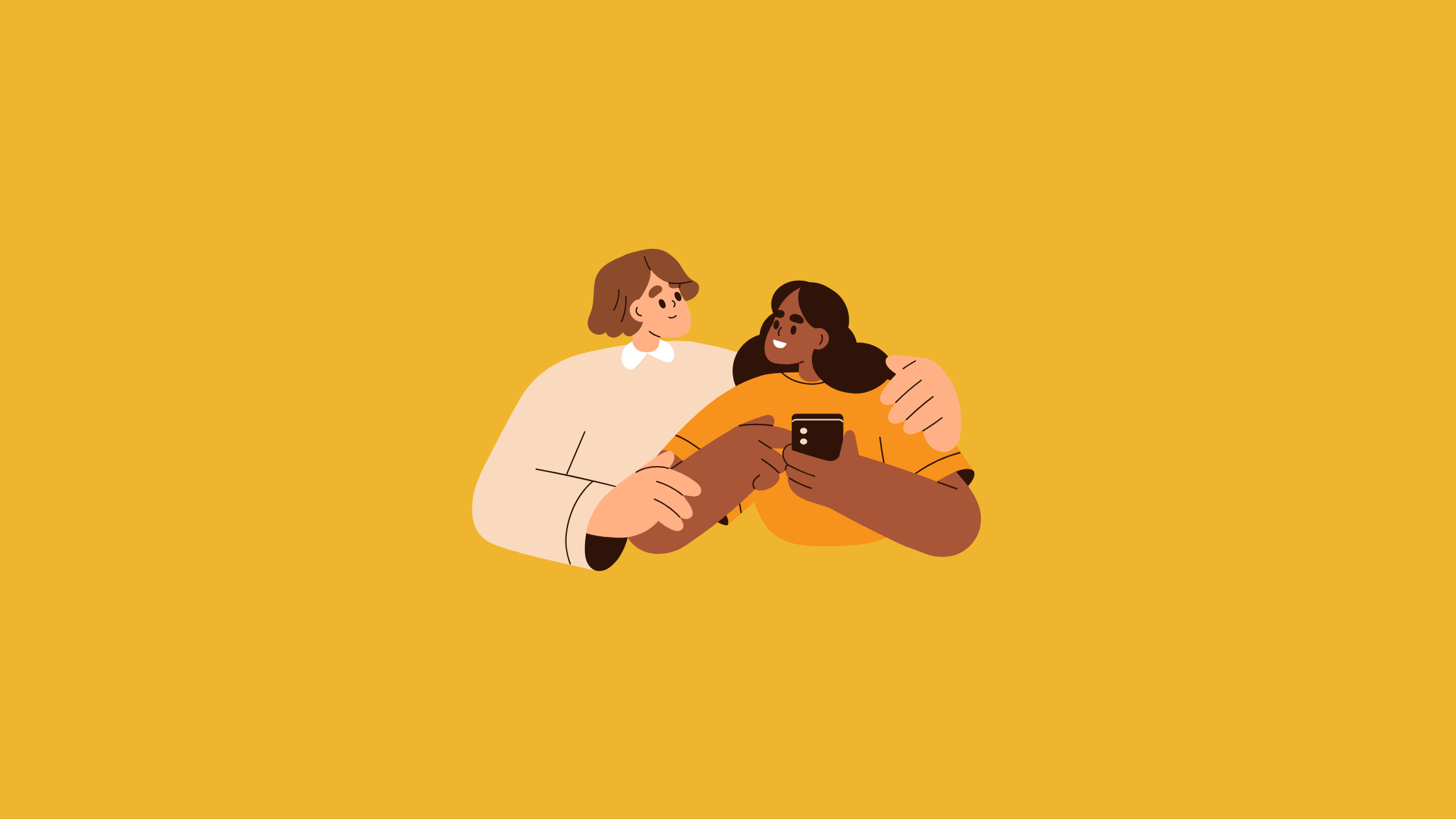
Do you feel like there’s an invisible wall between you and your partner? Maybe you want to feel close, but something keeps pulling you back. Or perhaps you’re watching someone you love struggle to let you in, and you can’t understand why. These patterns often reveal how the underlying symptoms of post-traumatic stress disorder (PTSD) reshape the way two people relate to each other.
If you’re living with PTSD or supporting someone through it, understanding these dynamics is the first step toward healing relationships after trauma.

How PTSD symptoms show up in relationships
Just like other forms of psychological responses to trauma, PTSD symptoms might seem purely internal, but they create distinct relationship challenges. Recognizing these patterns helps you understand what’s happening beneath the surface.
Avoidance and emotional numbing
A core symptom of PTSD is avoiding anything that triggers traumatic memories. In relationships, this can involve withdrawing from conversations, losing interest in activities you once shared, or seeming emotionally distant. People might interpret this as rejection, when it’s actually a protective mechanism. These PTSD intimacy problems often create a painful cycle where one person pulls away while the other pursues connection.
Hypervigilance and reactivity
Living with PTSD means your nervous system stays on high alert. This heightened state can manifest as irritability or sudden emotional reactions that seem disproportionate. Emotional regulation in PTSD relationships can be particularly challenging and create dynamics where partners feel like they’re walking on eggshells.
Intrusive memories and re-experiencing
Flashbacks and nightmares can make the person with PTSD suddenly feel unsafe, even in their partner’s arms. During these moments, they might pull away or become visibly distressed without a clear external trigger. Partners often feel confused and helpless, or unsure how to provide comfort.
Actionable steps for healing your connection
Building trust in relationships after trauma takes patience from both people. These strategies can help you begin rebuilding safety and connection.
If your loved one has PTSD
Supporting someone with PTSD requires balancing compassion for them with care for yourself:
- Educate yourself: Understanding PTSD’s impact on families and partners helps you recognize symptoms rather than taking behaviors personally.
- Practice active listening: Create space for them to share how they feel or what they are going through without trying to fix or minimize their experience.
- Prioritize your well-being: To support someone else effectively, you should also attend to your own needs, whether that involves setting aside time for yourself or seeking outside support.
If you have PTSD
Healing intimacy after trauma starts with small, manageable steps:
- Practice self-compassion: Being patient with yourself allows you to make sense of your responses and what you’ve survived.
- Communicate plainly: When you can, express basic needs clearly, like “I need space right now” or “I’m feeling overwhelmed.”
- Notice moments of safety: Acknowledge small instances when you feel connected or calm, even briefly.
The role of therapy in healing relationships after trauma
While the actionable steps above are a powerful starting point, professional guidance is often the most effective path forward for deep, lasting change. A therapist can help through:
- Individual therapy: The therapist provides a safe space for the person with PTSD to process the root trauma, understand how PTSD affects relationships, and develop personalized coping strategies for managing symptoms.
- Couples therapy: This approach focuses on the relationship itself by helping both partners learn a shared language for communication, rebuild trust, and navigate challenges together.
- Specialized approaches: If romantic challenges stem from complex PTSD or other forms of trauma, therapists may use targeted methods to address specific types of PTSD.
Get the support your relationship deserves
Treating PTSD and healing relationships is more manageable with a compassionate therapist. Browse Zencare’s therapist directory to find the support you need. Our network of vetted experts can provide the tools and insights your relationship needs to rebuild connection.