Trauma lives in the body: Understanding somatic responses to trauma
Published June 14, 2026 by Zencare Team.

Have you ever felt a knot in your stomach during a calm meeting, or chronic shoulder tension that no massage seems to fix? You logically know you’re safe, but your body tells a different story. This physical memory, known as somatic trauma response, is a sign that your body is holding onto past overwhelming events or trauma. Understanding the connection between your trauma and nervous system is the first step toward healing.
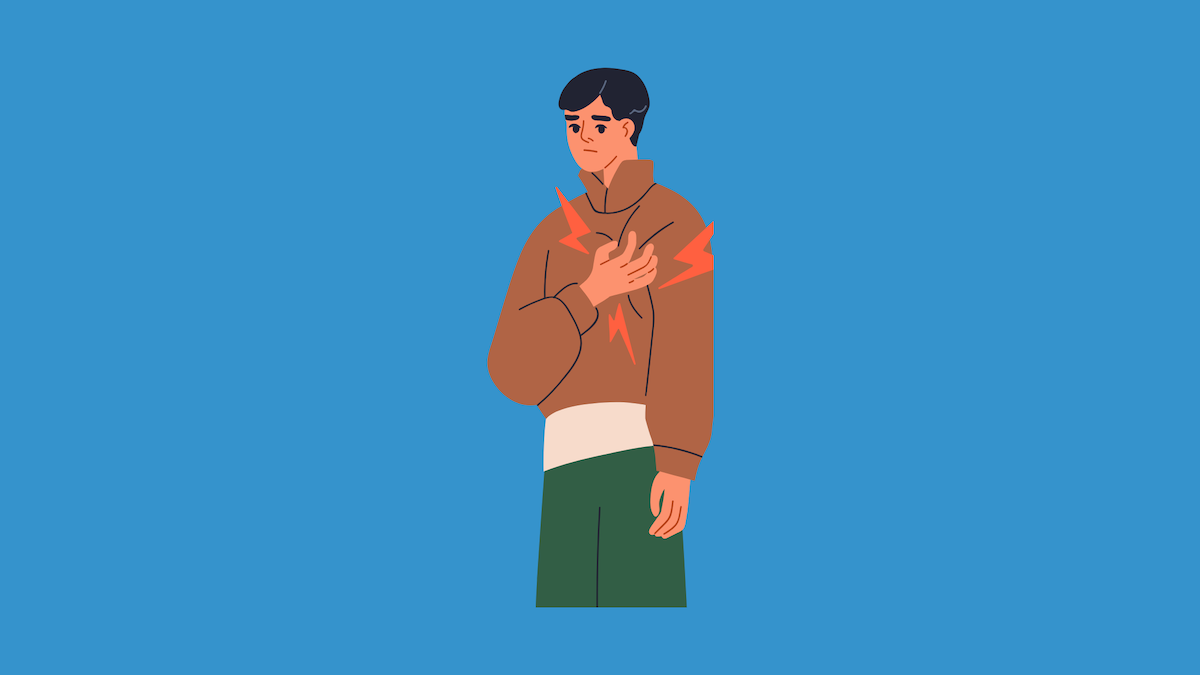
How the nervous system stores trauma
When facing threats, your body’s autonomic nervous system (ANS) activates instantly to keep you safe. That activation can lead to trauma being stored in the body:
- It starts with the body’s alarm system: Your ANS balances the sympathetic nervous system (your “gas pedal” for fight, flight, or freeze) and the parasympathetic nervous system (your “brake pedal” for rest).
- Survival responses are physical: A threat triggers a full-body reaction where muscles tense, heart rate spikes, and breathing changes to prepare you to fight, run, or freeze.
- Energy gets stuck: Trauma often occurs when you can’t complete these survival actions, and the massive energy mobilized for survival becomes trapped in your nervous system.
- The alarm never fully turns off: With the survival cycle incomplete, your nervous system doesn’t get the “all-clear” signal and continues operating as if the threat is present, which is the core of a somatic response.
Common signs that your body stores trauma
Your body has its own language for communicating unresolved stress. Recognizing these signals is a key step toward healing.
Chronic muscle tension and pain
During threatening situations, muscles tense to protect you. When trauma in the body is unresolved, it may never fully release. The result is persistent body tension from trauma, such as clenched jaws, tight shoulders that cause headaches, or lower back pain without a clear physical cause. These responses are evidence that your body took the threat seriously.
Digestive and gut issues
Your digestive system connects deeply to your emotional state through the gut-brain axis. When you feel threatened, your digestion shuts down to prioritize survival. If your nervous system remains on high alert from trauma, you might experience frequent stomachaches, nausea, or changes in appetite. While these responses can puzzle medical providers, various stress management techniques can effectively address these physical manifestations.
Hypervigilance and a heightened startle response
When trauma lives in the body, your internal alarm system can become oversensitive. It manifests as hypervigilance, an exhausting state of heightened alertness. You might jump at unexpected sounds or constantly scan your surroundings, unable to fully relax. This response is your survival system working overtime to help you avoid being caught off guard again.
Numbness and disconnection
Sometimes the nervous system protects itself by shutting down in a “freeze” response or dissociation. This somatic trauma response can become a chronic pattern of feeling detached from your body, emotions, or surroundings. It may feel like watching your life from the outside or experiencing a numbness where even physical sensations are muted. This disconnection is your nervous system shielding you from overwhelming feelings, though over time it can interfere with your ability to feel joy and connection.
All of these varied responses are powerful signals from a nervous system stuck in survival mode. The hopeful news is that just as your body learned to hold on to trauma, it can also learn to release it. Healing begins by communicating safety back to your body in a language it understands.
Healing through the body with somatic therapy
Somatic trauma therapy invites you to listen to your body’s wisdom and helps your nervous system recognize that the threat has passed. It’s about more than talking. Unique somatic therapy approaches offer different pathways to healing by working directly with the body’s stored experiences:
- Somatic Experiencing (SE): Harness the mind-body connection by gently guiding your attention to physical sensations. A certified SE therapist helps you safely track these feelings, allowing your body to gradually process and release the “stuck” survival energy without having to re-live the overwhelming event in detail.
- Sensorimotor psychotherapy: Engage in body-centered talk therapy to identify how trauma shows up in your posture and movements. Therapy might involve mindfully exploring physical actions you couldn’t complete during the trauma, like the impulse to push something away or turn and run.
- Eye Movement Desensitization and Reprocessing (EMDR): Explore this structured psychotherapy approach to help your brain reprocess traumatic memories while your body releases related tension. Through guided eye movements and other bilateral stimulations, EMDR allows the memory to be “re-filed” in the brain in a way that is no longer distressing, disconnecting it from the intense physical alarm response.
Find the right therapist for somatic trauma
Somatic therapy recognizes that your body has been incredibly adaptive and helps you partner with your body’s innate capacity to heal. If you’re ready to explore healing with a professional, Zencare can help. Browse our network of vetted therapists who specialize in trauma and somatic approaches to find the right fit for your journey.