When trauma won’t let you sleep: understanding PTSD nightmares and sleep disturbance
Published June 15, 2026 by Zencare Team.

If you’re caught in the exhausting cycle of sleepless nights after trauma, you’re far from alone. Research shows that up to 90% of people with PTSD report sleep problems such as difficulty falling asleep, nighttime awakenings, or nightmares. Understanding the deep connection between trauma and sleep is the first step toward getting the rest you deserve.
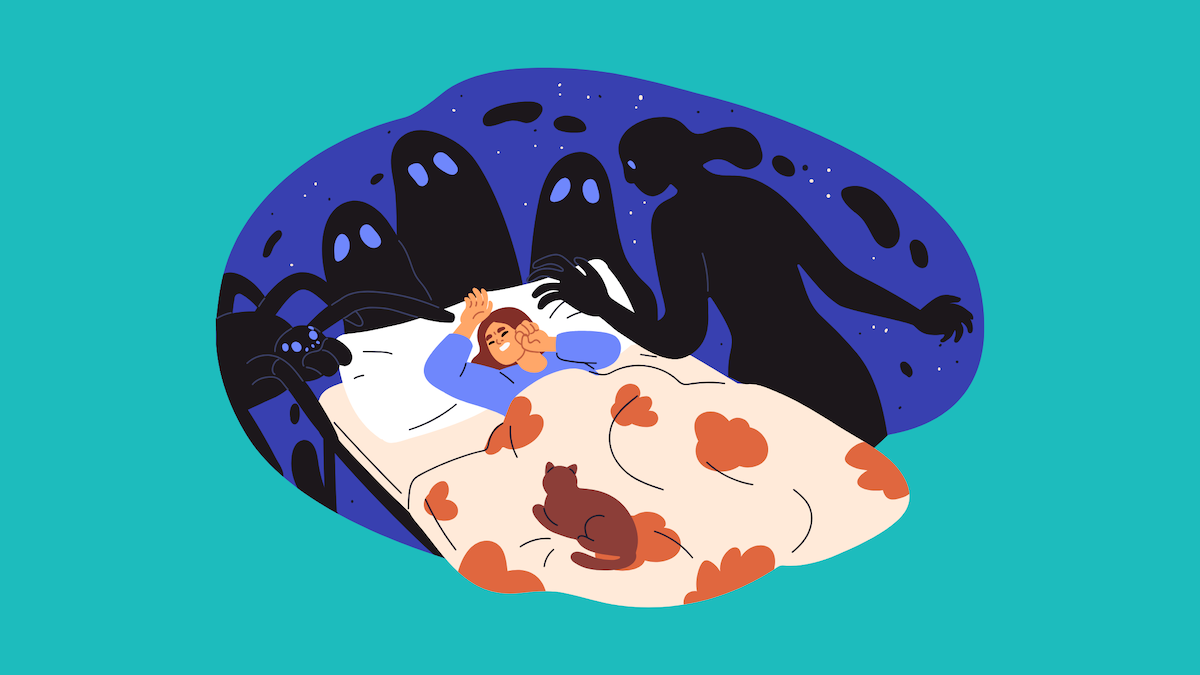
How trauma affects sleep
A psychological reaction to painful or distressing experiences, trauma can also come from chronic or sustained exposure to distress. Whether your trauma is recent or rooted in the past, like childhood trauma, you may experience sleep disturbances.
After experiencing trauma, your body’s natural “fight or flight” response can get stuck in the “on” position. This state of high alert makes sleep difficult, you may have trouble falling asleep, wake up frequently, struggle to fall back asleep, or experience a combination of these issues.
Hyperarousal and hypervigilance
PTSD keeps the nervous system in a state of hyperarousal, which occurs when your “fight-or-flight” response stays overly active. This makes it difficult to relax and feel safe enough to fall asleep.
Common symptoms of hyperarousal include:
- Being easily startled: Reacting intensely to sudden noises or movements
- Heart palpitations: Struggling to rest due to a racing heartbeat
- Flashbacks: Re-experiencing traumatic situations vividly
- Hypervigilance: Constantly scanning for potential danger or threats
These symptoms keep your body and mind on alert, often leading to insomnia or a lack of peaceful rest.
Re-experiencing trauma through nightmares
Symptoms of trauma can manifest as insomnia and nightmares. Recurrent nightmares are among the most common symptoms experienced by people with PTSD.
PTSD nightmares and trauma nightmares differ from typical bad dreams. These nightmares vividly replay the traumatic event or elements of it, causing intense fear and distress. The fear of nightmares can lead to sleep avoidance, making it even harder to fall asleep.
Changes in sleep architecture
Trauma can affect the different stages of sleep, especially REM sleep, when most dreaming occurs. It can lead to lighter sleep, more intense eye movements during REM, and more frequent awakenings. This disruption explains why you spend less time in deep and restorative sleep stages.
Common PTSD-related sleep problems
Beyond nightmares, PTSD has been linked to a variety of sleep disorders:
- Insomnia: Difficulty falling asleep, staying asleep, or waking up too early are common forms of insomnia in people with PTSD.
- Sleep apnea: People with PTSD are reportedly more likely to experience obstructive sleep apnea (OSA). If you snore loudly or wake up gasping, speak with a doctor.
- Sleep paralysis: This is the temporary inability to move or speak when waking up or falling asleep, often paired with vivid hallucinations and intense fear.
- Night terrors: These are intense, involuntary sleep disruptions occurring during deep, non-REM sleep. They are often characterized by screaming, thrashing, and extreme fear without fully waking.
Evidence-based strategies for better sleep
Sleep problems are treatable, and evidence-based therapies can help. Some of your options include:
- Cognitive Behavioral Therapy for Insomnia (CBT-I): CBT-I addresses the thoughts and behaviors interfering with sleep. This first-line treatment targets the underlying habits that cause or worsen sleep problems.
- Imagery Rehearsal Therapy (IRT) for nightmares: IRT is a technique that involves rewriting the endings to your nightmares while awake to gain control over them. It’s a proven method for reducing the frequency and intensity of PTSD-related nightmares.
- Medication for PTSD-related sleep issues: Some medications specifically target nightmares and are most effective when combined with therapy. Discuss options carefully with a doctor to find the right approach for you.
Find a path to healing with Zencare
Sleep problems rooted in trauma are treatable, and you don’t have to navigate them alone. Finding a therapist who specializes in trauma and PTSD is a crucial step toward lasting relief from nightmares, insomnia, and other sleep disturbances. You can use Zencare to find vetted therapists who understand the unique connection between trauma and sleep. Reach out to discover the specialized support you deserve.